Table Of Content
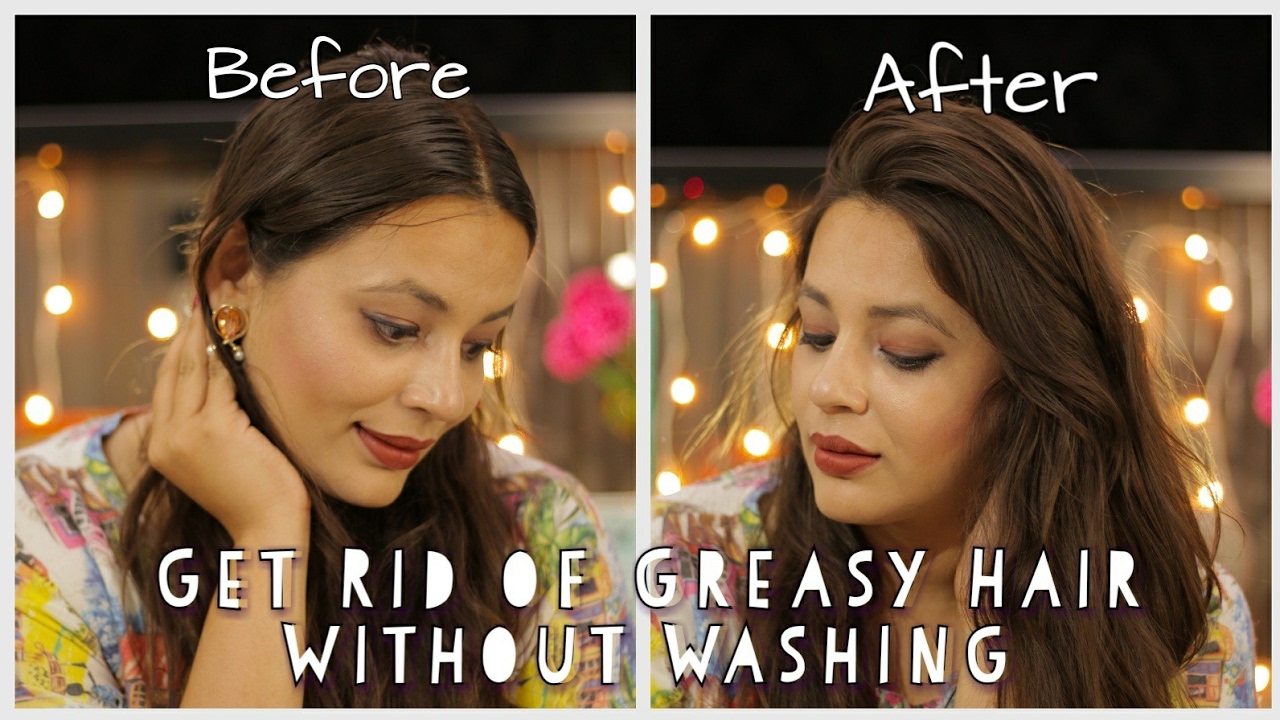
Having an oily scalp isn’t in itself bad—natural oils actually protect your scalp from environmental damage—but there can be too much of a good thing, especially if you have fine or straight hair. Excess oil can make your hair feel limp, lifeless, and a little grimy, even if you do have time to shampoo every day. If your roots get extra greasy, however, Friedman says the trick is to apply dry shampoo immediately after you've washed your hair. Finding hair products that strike the perfect balance of being moisturizing but not too rich is challenging but still necessary for healthy, hydrated strands and a balanced scalp. Shaw suggests breaking the habit of buying matching shampoos and conditioners that offer the same benefits.
Washing the wrong way
While this seems counterintuitive, it will actually slow oil production down in the long run. Start by washing every other day, slowly working your way to once or twice a week. While there may be an adjustment period, it will eventually level out.
Be choosy about your haircare products
10 Best Shampoos for Oily, Greasy Hair - How To Fix Oily, Greasy Hair Fast - Cosmopolitan
10 Best Shampoos for Oily, Greasy Hair - How To Fix Oily, Greasy Hair Fast.
Posted: Mon, 10 Jun 2019 07:00:00 GMT [source]
You can use this in a pinch to help with greasy hair but it’s not recommended because it will dry out both your scalp and your hair, which can lead to increased oil production. Dry shampoos tend to “buy time” between regular shower shampoos, but they should never replace the actual act of washing your hair, since that powder itself can build up on the scalp. (It needs to be washed away, too.) So, our advice is to use dry shampoo products on the day prior to shampooing. That's either every other day, or every third day—and thus, the frequency will match your shampoo frequency, too.
Why Is My Hair So Oily? How to Manage Oily Hair
Well, that’s because it is one of the best ways to hide greasy hair. Simply brush your hair into a high ponytail, secure it tightly and use the setting spray if required. While we can’t control all of these, the good news is that with these greasy hair hacks you can have more good hair days than bad. Focusing on a balanced diet of unprocessed whole foods, lean proteins, complex carbs, and hydration can help minimize oil production for less greasy locks. This is one of the greasy hair hacks that some people won’t want to hear, but not wearing hats is a really good way to prevent your head producing too much oil.
What to do to combat an oily scalp:

If you prefer a shampoo with more natural ingredients, look for one that contains tea tree oil, which has anti-inflammatory properties, says Dr. Newsom. As mentioned above, it may also be helpful to speak to a nutritionist about your diet and ask what kinds of foods will help keep your hair and scalp healthy. When these glands are not functioning normally, it can cause problems with your skin and hair. For example, acne forms when the body makes extra sebum, causing dead skin cells to stick together and clog pores. Leftover shampoo or conditioner can create a film on your hair, making it feel greasy.
Sulfate-free shampoos are a good choice because they won’t strip oils from the scalp which can cause increased oil production. The selection of products you use when washing your hair plays an important role too. Don’t make the mistake of using moisturizing shampoo if struggling with greasy hair. All these household items are excellent oily hair hacks when you don’t have dry shampoo. No, this isn’t a passive aggressive way of telling you to wash your hair more. Rather, you need to work towards a more optimal frequency (whether that means washing your hair more or less than usual).
Reconsider Your Shampoo Frequency
In more serious cases, a dermatologist can prescribe medication that will regulate the sebaceous gland secretions. However, in most cases, implementing a thorough routine using the right products for oily hair will help provide to control and manage the problem on a day-to-day basis. Note that people with fine or straight hair are most susceptible to a buildup of oil and therefore should consider following one or more of these recommendations every few weeks.
Their heavy surfactants promise to make it much stronger than traditional cleansers, so they will give you a deep, thorough cleanse. As far as we're concerned, hair wash days are a necessary evil that no one looks forward to. If your hair is already making extra oils, using an oil-based styling product isn’t the best idea.
If your scalp feels dry, tight, or itchy immediately after washing then this could be a sign your product isn’t a good fit. If you need to step out with greasy hair and don’t have any dry shampoo or baby powder to hand, try adding some cornstarch, arrowroot powder or translucent face powder to your roots. These will absorb excess oil and make your hair look fresher instantly. Fixing greasy hair is all about minimizing the oiliness to a point where it’s hardly noticeable. Dry shampoos are often touted as the fastest way to get rid of greasy hair.
"Take a look at your diet and see where you can take some things out that may be overpowering your pores," she says. For instance, Shaw recommends cutting out potentially irritating foods, such as dairy, for a couple of weeks to see how your scalp fares. "Oftentimes things like dairy, if you are sensitive, can cause clogged pores." Although more research on that topic is needed to definitively say whether or not that is the case, it can't hurt to give it a try. If you find that your hair still feels oily or full of greasy product residue even after you wash it, you're likely using the wrong shampoo. Sulfate-free formulas are common (and recommended) for those with color-treated hair, processed hair, or those with sensitive scalps. But if you don't fall into those categories, sulfate-free shampoos are typically not strong enough to cleanse the hair.
The oils in your hair come from sebaceous glands attached to each hair follicle. The glands produce an oily substance called sebum that travels up the hair follicle to moisturize the skin and hair. If your hair has already gotten greasy, try using blotting sheets on the scalp.
What To Do If You Applied Too Much Hair Oil: 6 Expert Tips mindbodygreen - mindbodygreen
What To Do If You Applied Too Much Hair Oil: 6 Expert Tips mindbodygreen.
Posted: Wed, 04 May 2022 07:00:00 GMT [source]
Plus, how to deal with overgrown hair (and the split ends that come along with it) when heading to the salon for a cut simply isn't an option. If you've got the heat on full blast in your home (or are hanging out in hot, humid weather), you could start to see the effects on your scalp. "If the temperature becomes too hot and you are prone to sweating, that will definitely contribute to a greasier scalp," says Wood. Plus, says Gillen, "when your AC isn’t removing all the moisture out of the air it could make your hair look more greasy," so try to keep things cool as much as possible. There's a startling statistic that the air indoors is actually more polluted than the air outside, which can be bad news for keeping your scalp clean.
You wash your hair, dry it, and style it, and within a few hours, it can turn flat and limp. Oily hair can look and feel greasy and may even irritate your scalp. If you’re dealing with an oily scalp and oily hair, there are a few things you can do to try to reduce the amount of oil your scalp produces.
After shampooing, he advises only applying conditioner to the ends of the hair. "At first you will feel like it's not working, but you have to do this a few times before you notice a difference." Nevertheless, when it comes to sebum, you can have too much of a good thing, especially if you have fine or straight hair that doesn't require as much moisture as thick or curly hair. There are a few key reasons why someone might have a perpetually oily scalp, one of which is shampooing too often or using a shampoo that's too clarifying (maybe even a combination of the two). There’s a reason the beauty aisle has products dedicated to different hair textures.
“Our natural oils do not have enough time to reach the ends, so the roots and mid-shaft become very greasy and [we’re left with] very dry and brittle ends,” he explains. He recommends getting a boar bristle brush and using it at least once a day. Greasy hair is the result of overactive sebaceous glands, which are producing too much sebum. Although sebum benefits the hair, keeping it healthy, smooth and preventing it from drying out and breaking, too much can cause the hair to look slick and greasy. An excessively oily scalp can also be a nuisance and is related to outbreaks of dandruff. Hand sanitizer does work to dry out oily hair because it has a high alcohol content.
Hormone fluctuations related to age or imbalances can also impact oiliness. Plus, stress might lead you to fidget and touch your hair more, which contributes to greasiness, as well, says Dr. Saedi. “Interestingly enough, stress reduction helps reduce hormones that can contribute to oil production,” says Dr. Doyle. Seaweed extract is also helpful, since it will work to remove excess oil from the skin, adds Dr. Zeichner. “Hormonal fluctuations are a common cause of over stimulated sebaceous glands, thus making adolescent and menopausal women most prone to noticing these changes in oil production,” says Dr. David. We tapped two professional hairstylists and a certified trichologist to share their expert tips for treating and preventing greasy hair.


No comments:
Post a Comment